
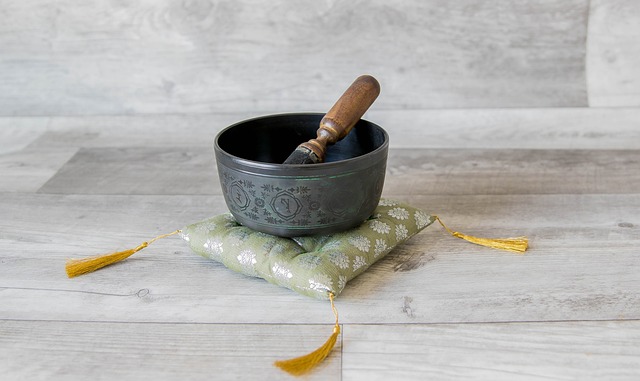
Buddhism says we should see friends and enemies as equal. This means we should learn to tolerate unfriendly people, unideal environments, and language that is hard on the ears. There is a saying, “When working, you wish to do what is hard. When living with others, you should wish to live with those who are difficult.” If a task is difficult, do it without hesitation. Read more
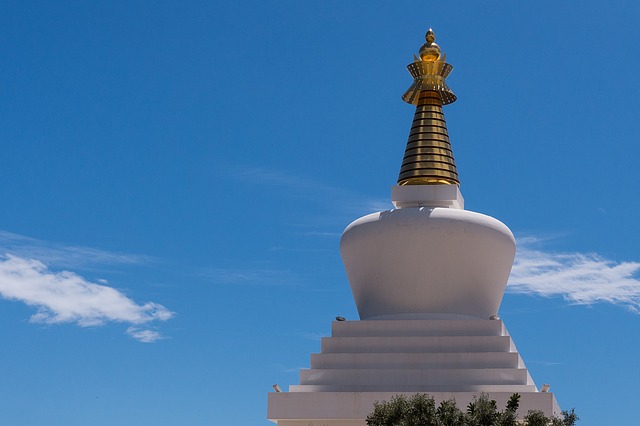
Throughout history, there have been great men and women who have forgiven their enemies because they have understood and appreciated the beauty of magnanimity. It is out of generosity and kindness that they have chosen forgiveness over resentment. Therefore, we cannot criticize them as being ignorant of the differences between right and wrong or good and evil. Instead, we should strive to be more like Read more
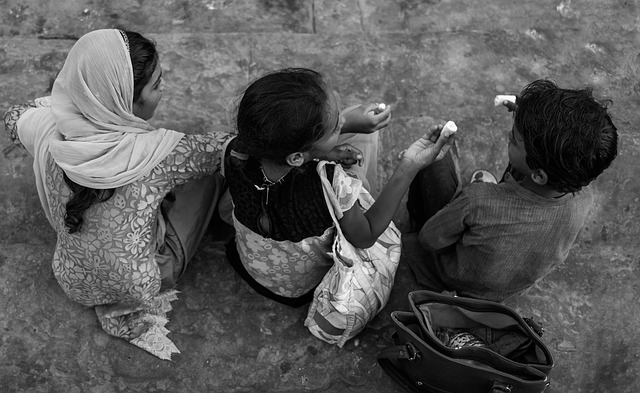
Sharing joy with others is not only a virtue, it is also a delightful experience.To take delight in shared joy is to give willing support to those who are compassionate in helping the needy; it is to give genuine praise to those who have dedicated themselves to the highest achievements in life. If we want to be successful in this world, we must cultivate the Read more
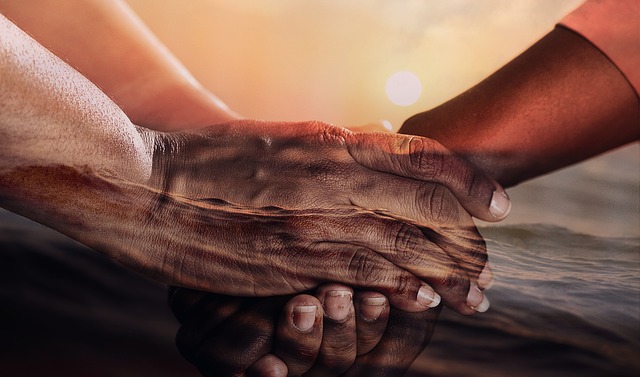
Compassion is the father, the bodhi mind the mother. Good methods are like friends because they save all sentient beings. — Great Collection of True Dharmas Sutra Compassion Is the Father Compassion removes suffering and creates joy. The sutra says, “The power of the Dharma is beyond expression. Nothing can obstruct compassion.” Compassion is the root source of all good. Compassion is the heart of Read more
To "commit" is to give assurance to others and to make a conscientious effort to deliver a promise. To instill credibility and trustworthiness, we must honor our words. Confucius once said, "One without credibility is like a large vehicle without a brake pedal, or a small carriage without axles. How can one go anywhere?"Living up to one's word is a basic courtesy. In past agricultural Read more

Life is the most precious thing in the world, so it is imperative that we respect it in all its forms. Not only must we have regard for human life, we must also respect animal life and the life of any organism in our ecosystem. The worst offense a person can ever commit is to violate the life of others, or even to cause harm Read more
Although "compassion is the foundation of Buddhism" is a popular slogan, compassion is not the exclusive property of Buddhists. It is a common treasure shared by all sentient beings. Because there is compassion in this world, life is full of meaning. As we endure the trials and tribulations life offers us, compassion inspires us with endless visions. The mind of compassion is the ever-flowing fountainhead Read more
When there is hope, there is a future. The worst tragedy in life is to live without hope for the future. When there is hope, there is a future. One of the mottoes of the Buddha's Light International Association is "to give others hope." That is the highest act of benevolence. On the other hand, to disappoint and render others hopeless is the cruelest act.People live Read more

Love and affection are infinitely valuable. There are various levels of love and affection that we can aspire to. Some people describe how people love this way: Young people love with their words, middle-aged people love with their actions, and elder people love with their hearts. This means that as we age, our love matures. Spiritual development also deepens and expands our love. Read more

Harmony and beauty within our lives and within our communities often fail due to our insistence on the duality of self and others. When we maintain the duality of self and others, we develop disproportionate levels of love and hatred, attraction and repulsion for other people, which throws our relationships out of balance; the capacity for affinity becomes dormant. We judge everyone around us, putting Read more

Most of us have an idea of what constitutes the space outside us; it is the environment in which we live. This includes the house we live in, the city we live in, or even the world we live in. Just as we need to skillfully manage our relationship to others, to the environment, and to wealth, we also need to properly manage our relationship Read more

Our emotions are a very important part of our everyday life, and they star in a leading role on the stage of relationships. The ability to feel and our freedom to act upon these feelings give us both joy and sorrow, and it is imperative that we maintain our emotional well-being to minimize the potential for suffering within relationships. Emotions are the glue that bind Read more
If we want to understand what the Dharma teaches us about building affinity and living in harmony with others, we must first understand the four great all-embracing virtues. The Buddha teaches that for us to realize our true capacity of connecting with and serving our fellow citizens, we have to first build a good rapport, and the four virtues are tools to that end. The four Read more
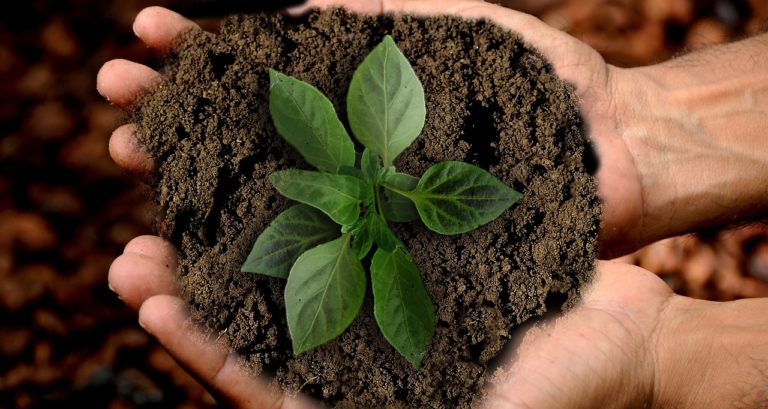
Most people regard the Buddhist religion as conservative and passive. Many think that Buddhism only teaches people to meditate, recite mantras and be vegetarians. They do not associate the religion with active and progressive ideas such as environmental protection. In truth, Buddhism is a religion that embodies the spirit of environmental protection and it has a long history of being active in such matters, well Read more

Among our many relationships, many forms and types exist. There are friendships, family connections, teacher-student bonds, marriages, relationships with and between monastics, and many other kinds. How we choose to develop, nourish and manage these specific relationships determines our own joy and contentment, as well as that of our fellow human beings, and ultimately, our community and world as a whole. How wonderful our lives Read more
If we want to understand what the Dharma teaches us about building affinity and living in harmony with others, we must first understand the four great all-embracing virtues. The Buddha teaches that for us to realize our true capacity of connecting with and serving our fellow citizens, we have to first build a good rapport, and the four virtues are tools to that end. The four Read more

Social harmony stems from handling relationships and communal living with skill, effort, and a spirit of cooperation. We can learn a lot about keeping peace in social living from the six points of reverent harmony that the monastic sangha observes. Sangha is a Sanskrit word, which can be interpreted on many different levels. In its widest interpretation, it refers to all those who have the Read more
If we want to understand what the Dharma teaches us about building affinity and living in harmony with others, we must first understand the four great all-embracing virtues. The Buddha teaches that for us to realize our true capacity of connecting with and serving our fellow citizens, we have to first build a good rapport, and the four virtues are tools to that end. The four Read more
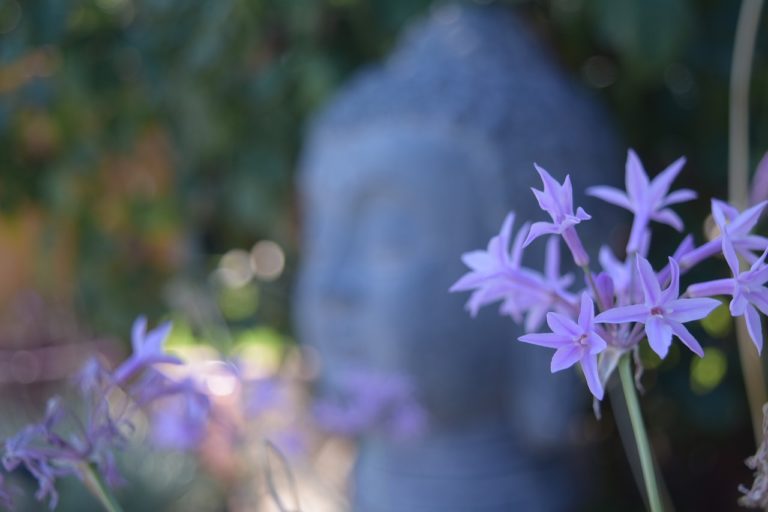
In the Buddha's teachings, there are four kinds of friends: friends who treat you like a flower, friends who act like a balance, friends who are like the mountains, and friends who are like the earth.Friends who treat you like a flowerWe all enjoy flowers, especially when they are fresh. We put them in vases to decorate our homes, we give them to our loved Read more

If we want to understand what the Dharma teaches us about building affinity and living in harmony with others, we must first understand the four great all-embracing virtues. The Buddha teaches that for us to realize our true capacity of connecting with and serving our fellow citizens, we have to first build a good rapport, and the four virtues are tools to that end. The four Read more

Human beings are social animals; we cannot live apart from community. As Buddhists, we are told to seek the Dharma among the people, for the Dharma does not exist in some other world or far away place; the Dharma is here among us, embodied in each and every being. When we understand that human society is nothing other than a web of human relationships, we Read more

We sometimes see signs on the highway warning: “Keep a safe distance.” Actually, it is not only in driving that we need to keep a distance. For safety reasons, any person and anything in the world needs to keep a distance.Take, for instance, the human body. Our eyes, nose, and mouth all need to keep a distance from one another. Our internal organs all have Read more
When someone benefits us even a little,we should repay them with all our hearts.Even if someone is angry with us,we should always treat them well.— Upasakasila Sutra Gratitude Is Fundamental to BuddhismA natural outgrowth of heartfelt gratitude is the desire to repay others for the kind things they have done for us. Having the feeling of being indebted to others is a sign that we are Read more

Humans are “masters of the myriad creations of this earth” but are also the creators of problems. The arising of all problems in this world is related to humans, including today’s problems concerning environmental preservation. They also arise because of humanity’s selfishness, ignorance, and interruption of the harmony and natural cycles of the world, to the point where there are continuous natural calamities and changes. Read more